

(587) 5201061

Funnels
Laboratory funnels by Prime Lab Solutions, adapted into different forms to suit numerous specialized needs, including filtration, are ubiquitous within the lab. Funnels fitted with paper, similarly to Buchner and Hirsch funnels, can remove fine particles from a liquid, although a sintered glass frit is usually recommended for more demanding filtering applications. Funnels and filtration methods are available made up of plastic, glass, metal, or porcelain to suit any laboratory needs. Plastic funnels that don't acquire contact with solvents are generally used for transferring powders, while polyethylene funnels are used for solution transfers. Glass funnels are noted for their inertness compared to metal and plastic, while metal funnels won't chip, break or corrode.
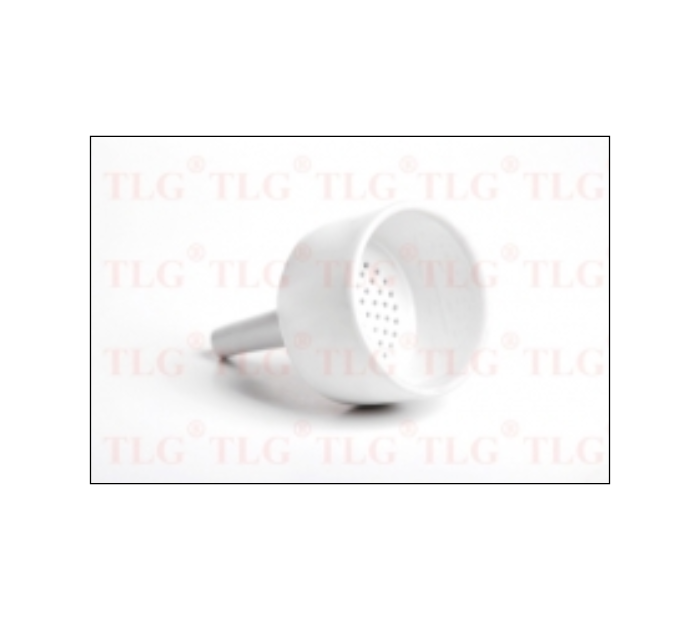
A Buchner Funnel is a fritted/perforated funnel used in laboratories for the vacuum-assisted filtration and separation of liquid substances. Buchner Funnels allow you to filter liquids by pulling them through qualitative paper and perforations at the highest of the funnel using a pump.
They are used for solid-liquid filtration by means of vacuum We have a wide selection of sizes and compatible flasks for various filtration applications
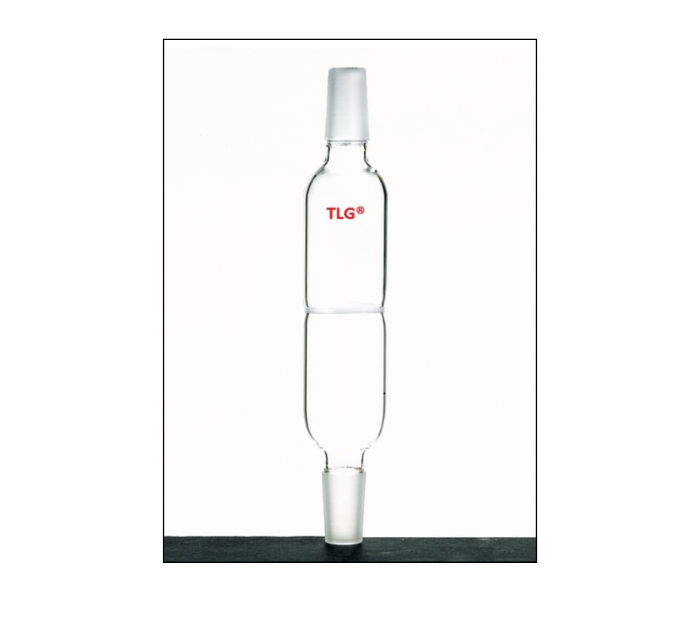
Filter tubes are used to collect the filtrate. Also for use with Gooch crucibles or directly with porcelain plates.
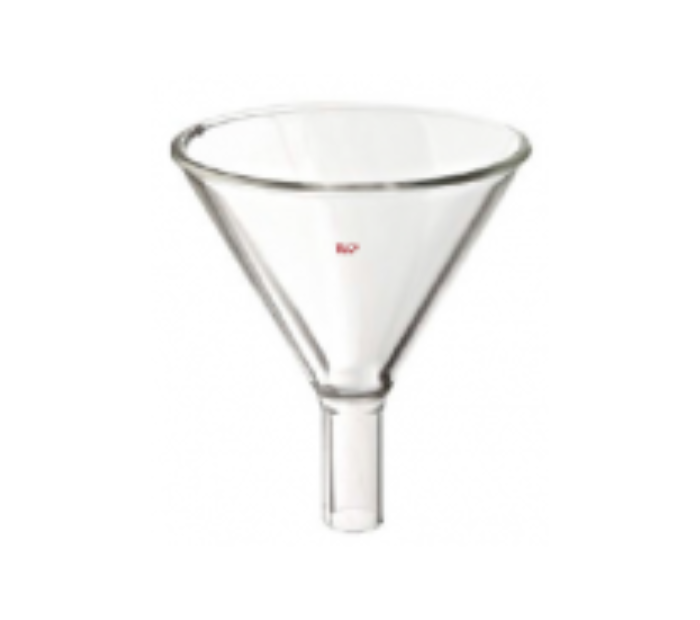
When pouring large particles into reaction vessels, powder funnels allow a clean and quick procedure. Manufactured from borosilicate glass or indestructible plastic, powder funnels have a resistant construction permitting use with various reagents and even chemicals. Powder bridging is minimized by the parallel, short stems. The funnels may have a tapered or angled stem to accommodate neck openings. Featuring ribbing to release air, the disposable or reusable models are offered in various diameter sizes.
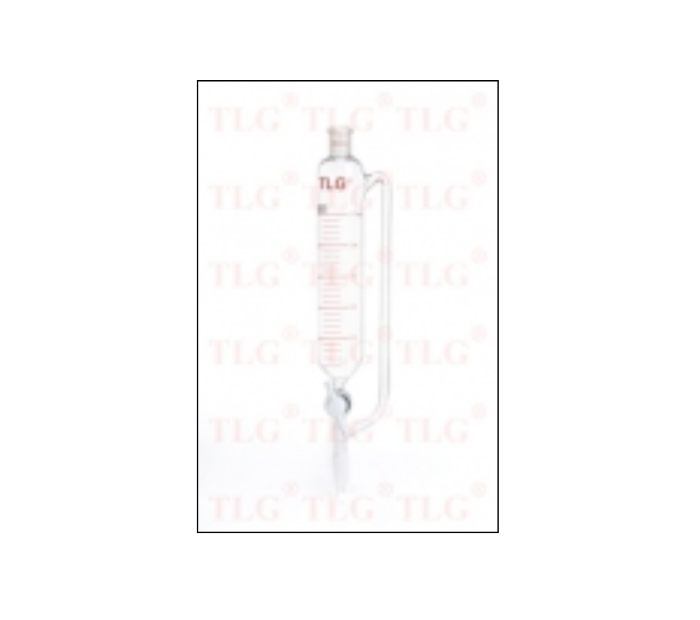
A pressure equalizing funnel (also known as a dropping funnel or an addition funnel) is a form of laboratory glassware used to transfer liquids. It is equipped with a stopcock (glass or PTFE) that allows the transfer to be controlled. It's useful for gently introducing reagents, such as drop-by-drop. This can be essential if the reagent is added too quickly and causes side reactions, or if the reaction is too intense.
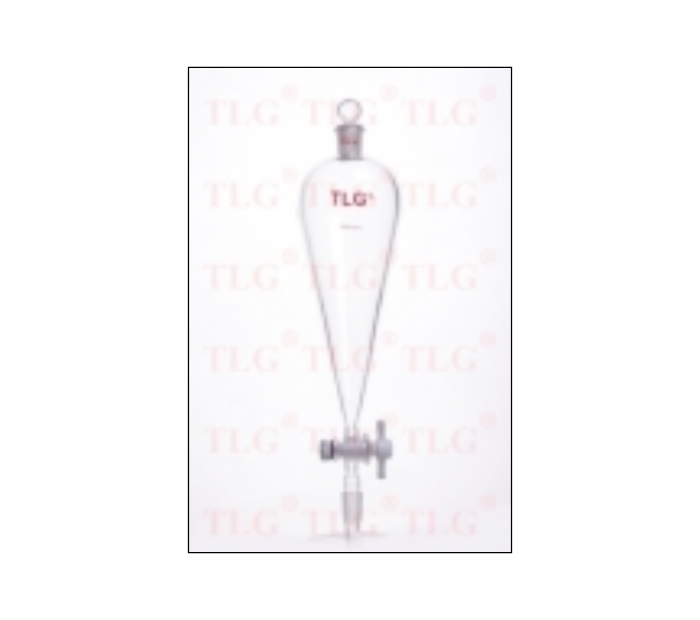
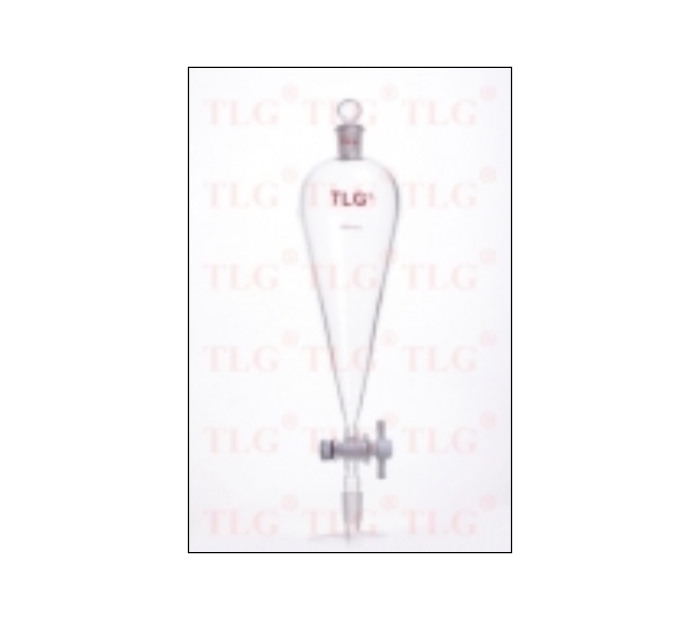
Standard-shaped separating funnels use gentle inversion to divide different densities within a mix. The instruments feature quick closing taps that release excess pressure levels before the separation takes place. Multiple featured openings leave different components to empty simultaneously. Lower stem diameters are available in large sizes for fast and complete partitioning. Autoclavable options compatible with common solvents or harsh chemicals are available in a range of capacities. Stoppers and stopcocks are also included.
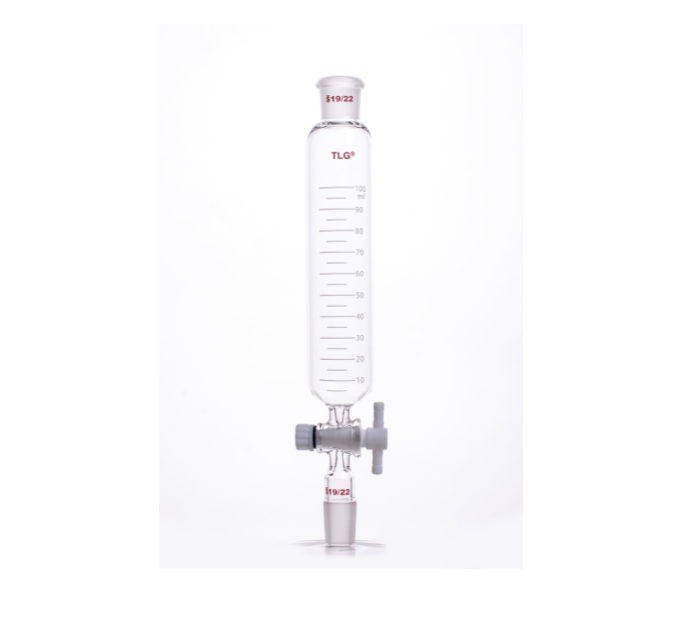
With the incorporated stopcock, the dropping funnels or addition funnels manage the slow content transfer. Stoppers isolate and protect critical fluids by disconnecting the funnel and pressure-equalizing the arm. The laboratory glassware is typically cylindrical and comes with or without calibrated graduations for visible measuring during reagent addition. The ground outside joints allow the vessel to fit snugly into the reaction flask, and the protected drip stems will not extend beyond the usual taper joint. A glass tube connects the groun...