

(587) 5201061

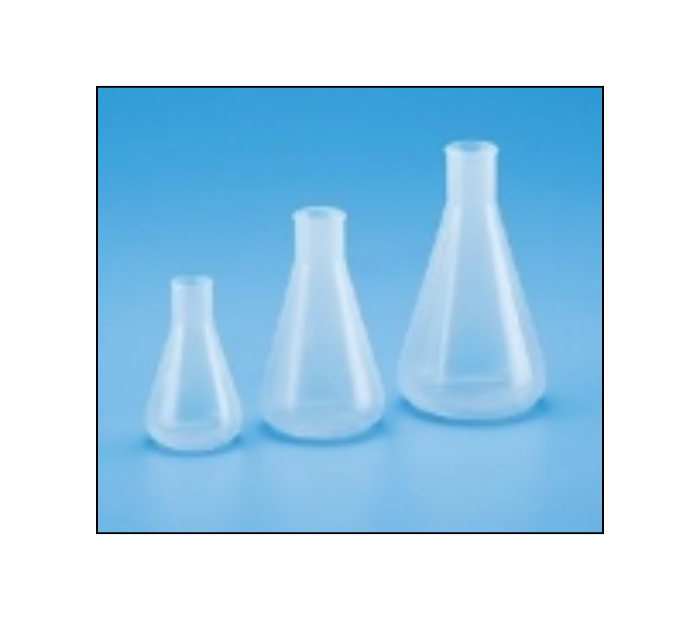
Flask, Polypropylene, PP
Vessels are used for holding liquids and performing mixing, heating, cooling, incubation, filtration, storage, distillation, volume measurement, and other common liquid handling processes. The variety of laboratory flasks includes boiling flasks, cell culture flasks, distilling flasks, Erlenmeyer flasks, filtering flasks, freeze-drying flasks, Kjeldahl flasks, recovery flasks, and volumetric flasks. Manufactured from a spread of materials, flasks are typically products of glass or plastic resins like polystyrene, polypropylene, polycarbonate, polymethylpentene, or PTFE. counting on their application, flasks are often sealed with various closures, including air-tight screw caps, vent caps, and stoppers fabricated from ground glass, glass, plastic, or rubber. Laboratory flasks are found in most chemical, biological, clinical, and industrial laboratories and during a type of other workplace setting. they're available in a range of capacities starting from 10 mL up to 10 L. counting on the kind, they will be equipped with a jointed ground glass top, a glass or plastic stopper, or a screw top.
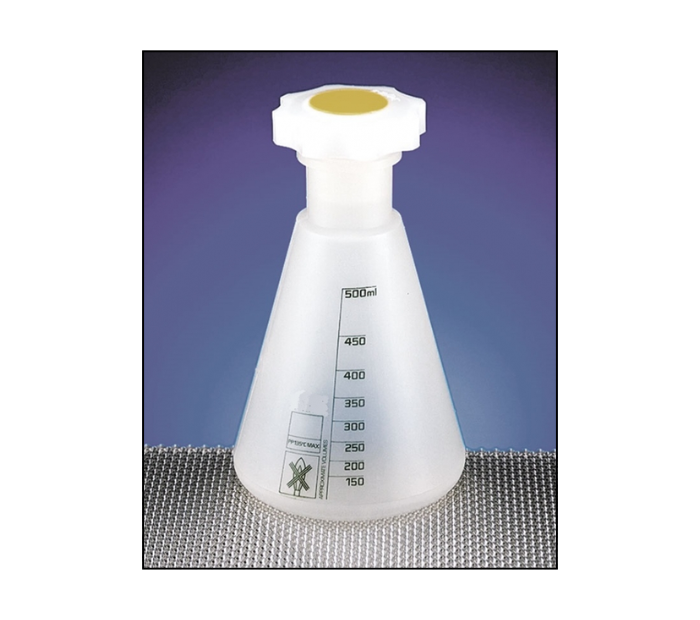
Have walled, autoclavable, Erlenmeyer Flask with tooled necks. Good chemical resistance. Supplied complete with polypropylene stoppers.
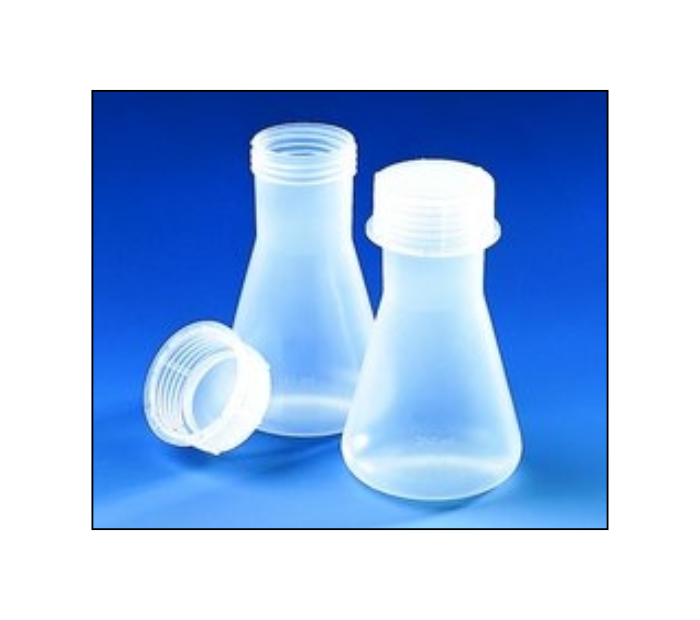
Erlenmeyer Flask with Screw cap, PP, high clarity. With Graduation. Neck with Standard ground socket
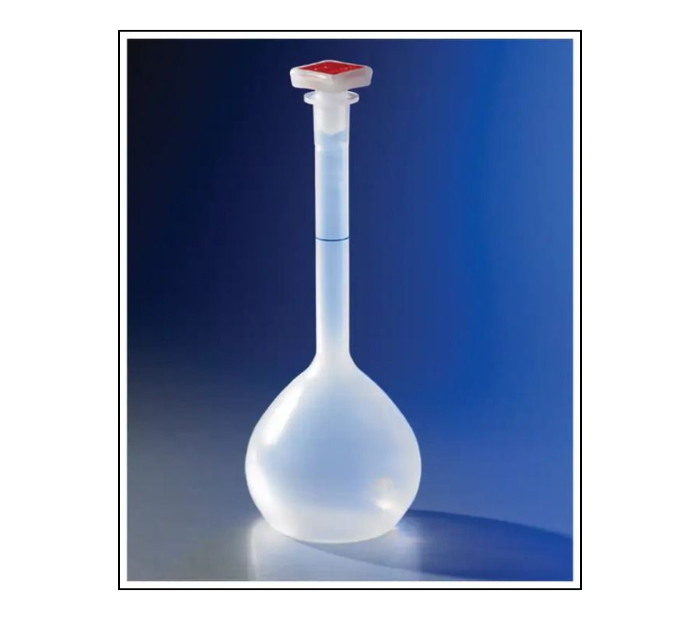
Leakproof No meniscus to confuse readings Lighter in weight than glass Break resistant chemical resistant Permanent color graduation line and oval marking spot for ease in reading fluid levels. Exposure to temperatures above 60°C may affect a...